About Assia's Pottery
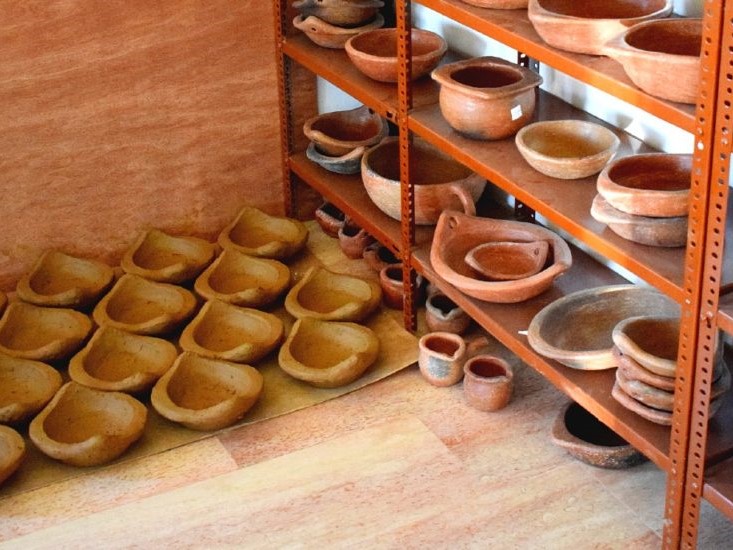
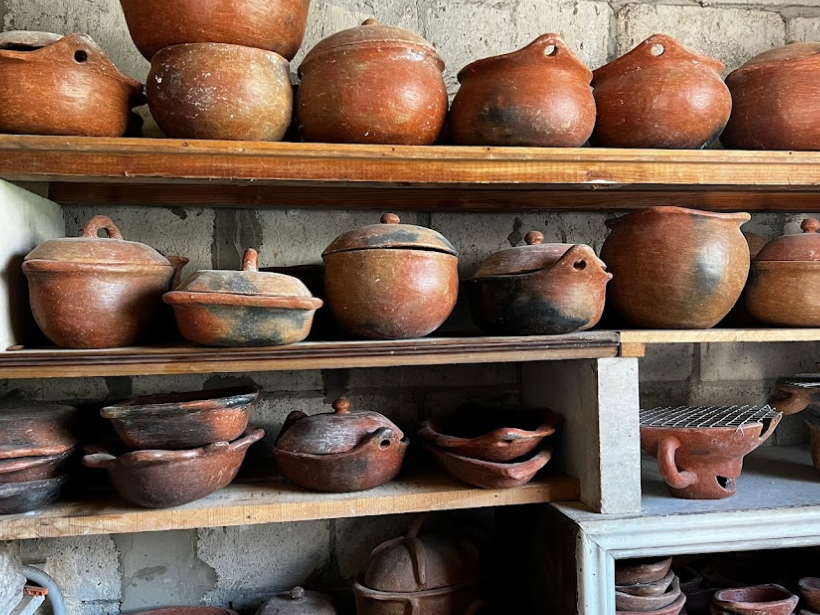
Assia Pottery (فخار آسيا) is a traditional form of ceramic craft practiced in the village of Assia in the Batroun district of northern Lebanon. Over generations, potters in Assia have preserved a technique that is entirely hand-made and rooted in natural materials, with no chemical glazes or modern machinery. Though not as famous as other Lebanese pottery centers like Rachaya el-Fukhar, this craft embodies an important piece of Lebanon’s tangible cultural heritage.
Historical & Cultural Context
The Village of Assia
Assia is among the villages in the Batroun area. It has historical depth: archaeological remains
in and around the village point to Roman-era structures and earlier settlements.
Pottery in Assia is more than just a craft: it has been part of the local identity for
centuries, passed down through families — especially along matrilineal lines (mother to
daughter).
Over time, modernization and changing livelihoods have made such crafts rarer, leaving just a
few active practitioners in the village
Materials & Composition
The pottery is made from locally sourced clay, mixed with water and natural additives like
sand or straw to improve workability and durability.
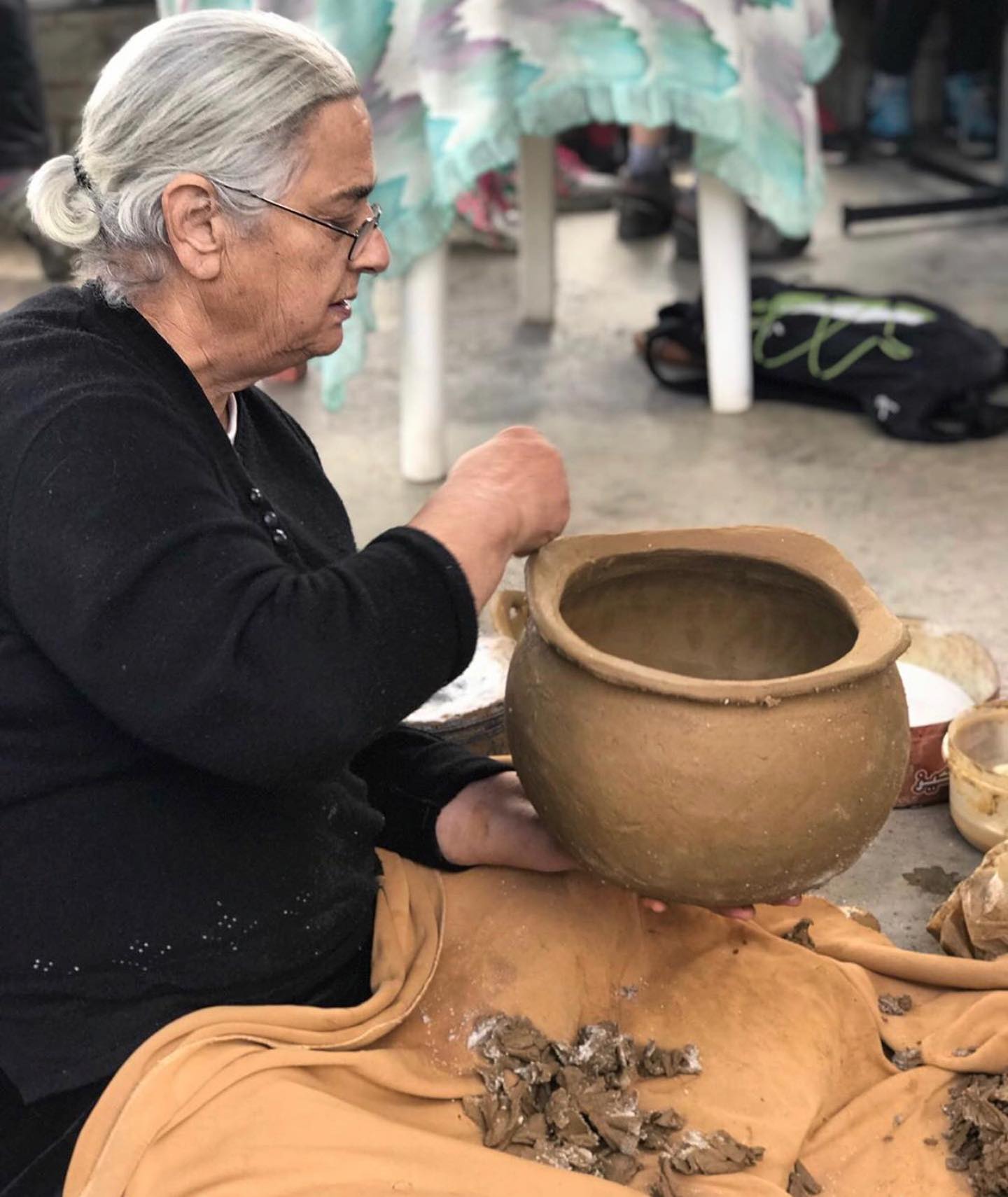
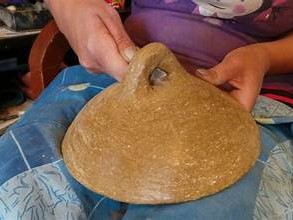
The clay is shaped by hand using traditional techniques such as coiling and pinching, without
the use of a potter’s wheel.
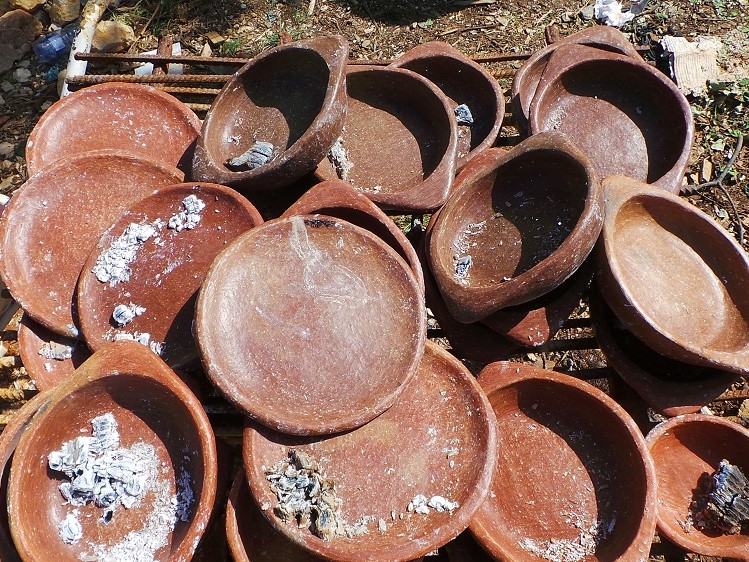
After shaping, the pieces are left to dry in the sun before being fired in simple kilns fueled
by wood or agricultural waste.
Production Process
The making of an Assia pottery piece is labor intensive and time consuming. Below is a summary
of its stages:
Clay preparation & kneading
The mixed clay is kneaded by hand until it achieves a consistent, workable texture.
Shaping / modeling
Craftspeople shape the clay using only their hands and simple tools (a knife, or stone), without
turning wheels or machines.
Drying & thinning
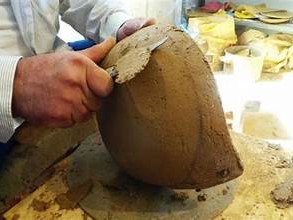
After initial shaping, the piece is left to dry partially. Then, with a knife, the potter
removes excess thickness, thinning walls carefully.
Polishing with pebbles
Rather than applying a glaze, the surface is polished using pebbles (often from beaches) to
smooth roughness and impart shine. This is done in stages, sometimes over days.
Final drying phase
The pottery is left to dry completely, often in shaded, controlled conditions to avoid rapid
drying that could cause cracks.
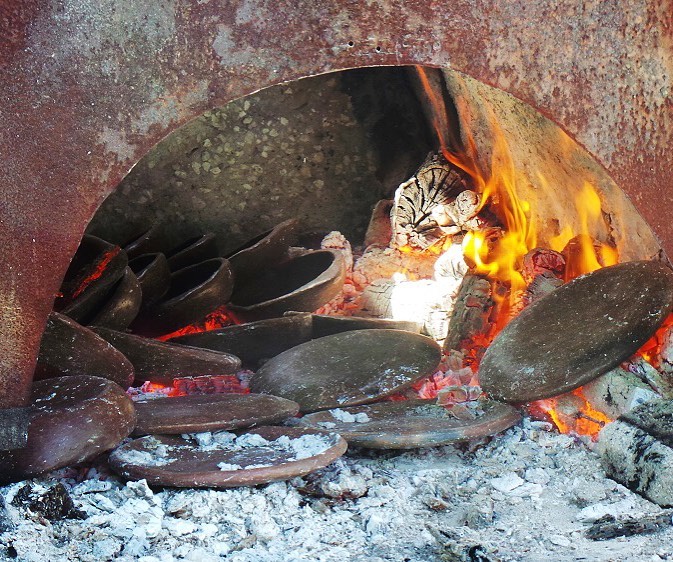
Firing
The dried piece is fired in a wood-fired kiln (i.e., a traditional oven) at moderate
temperatures (around 400 °C). This firing removes water, strengthens the structure, and fixes
the form.
Pottery Artisans:
Mrs. Fadia Laoum (upon request): 00961 76 835 335
Georgina Hanna: 00961 76 835 335
Sanaa Jabbour: 00961 3 630 626