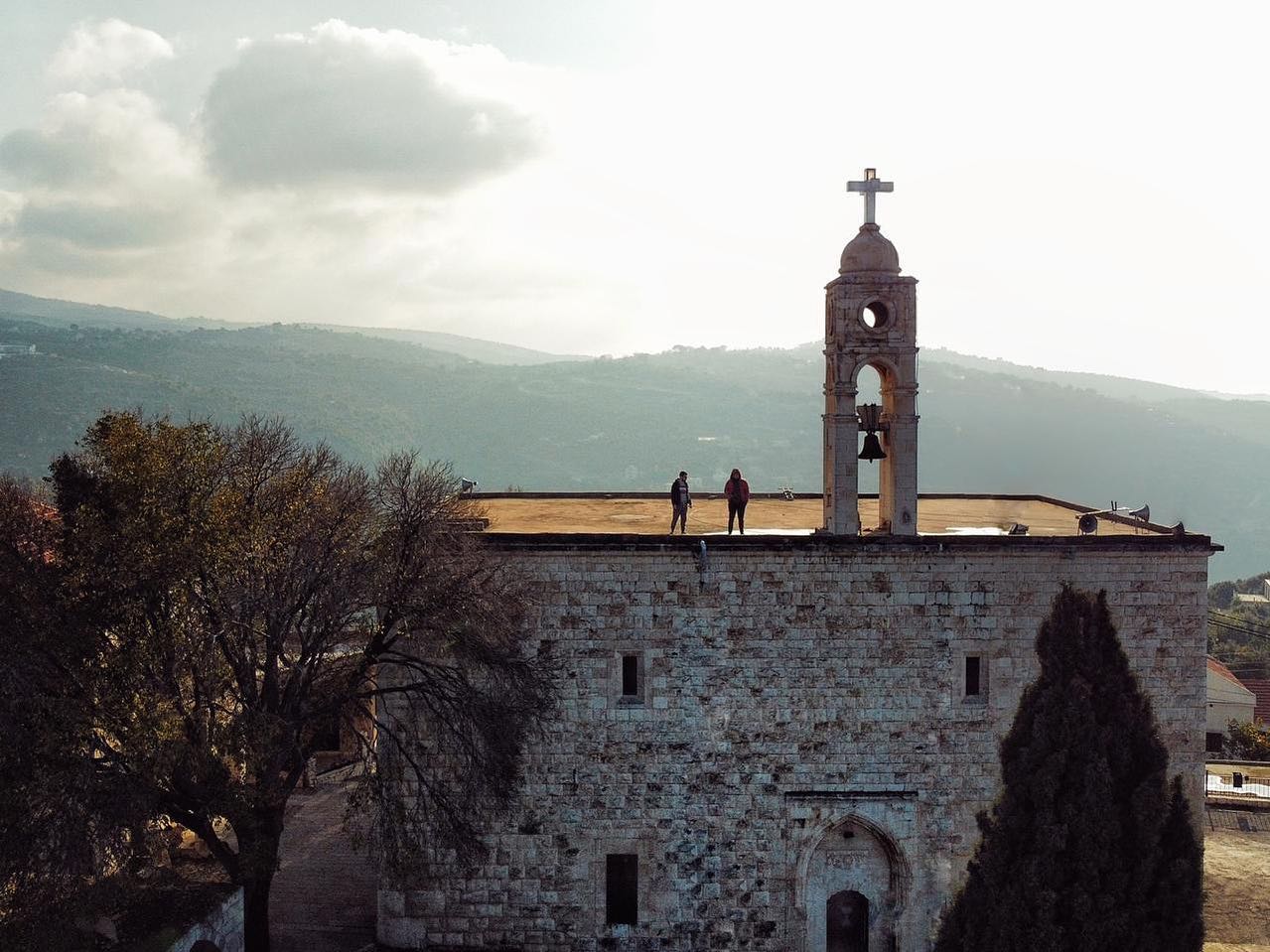
About Saint George Church
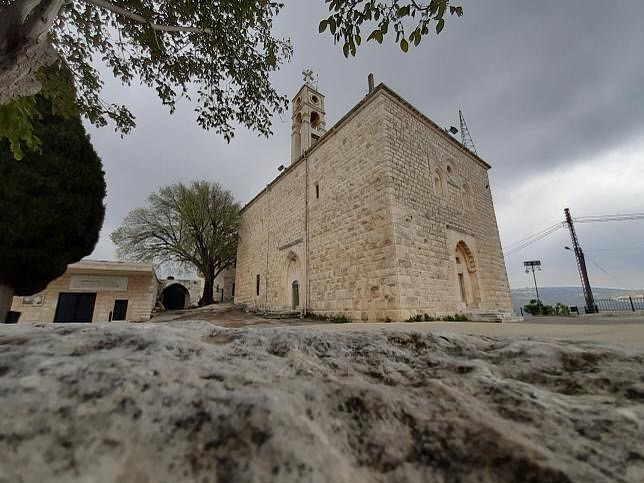
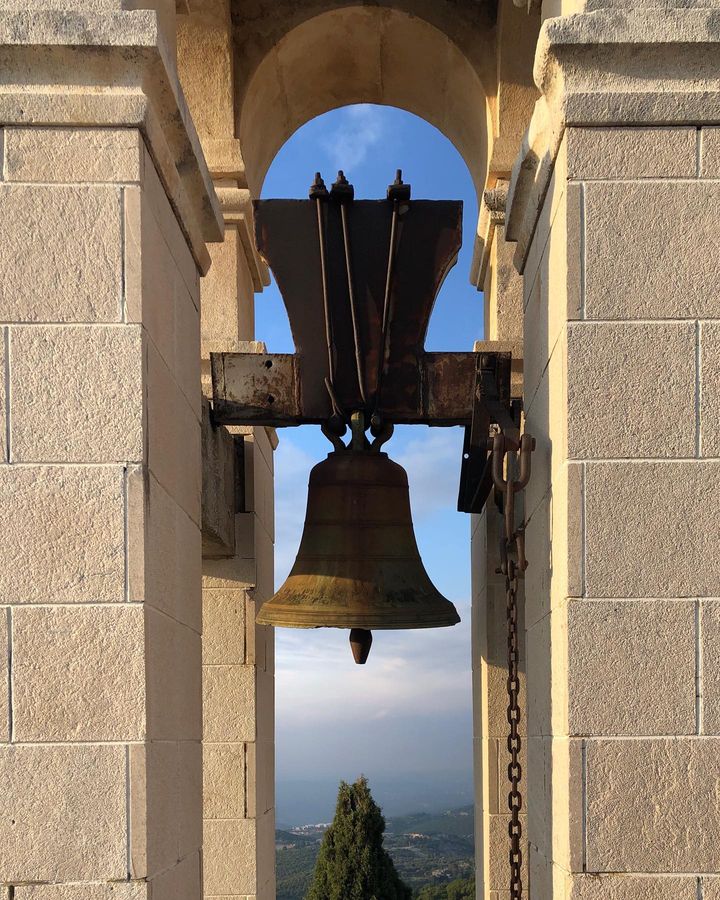
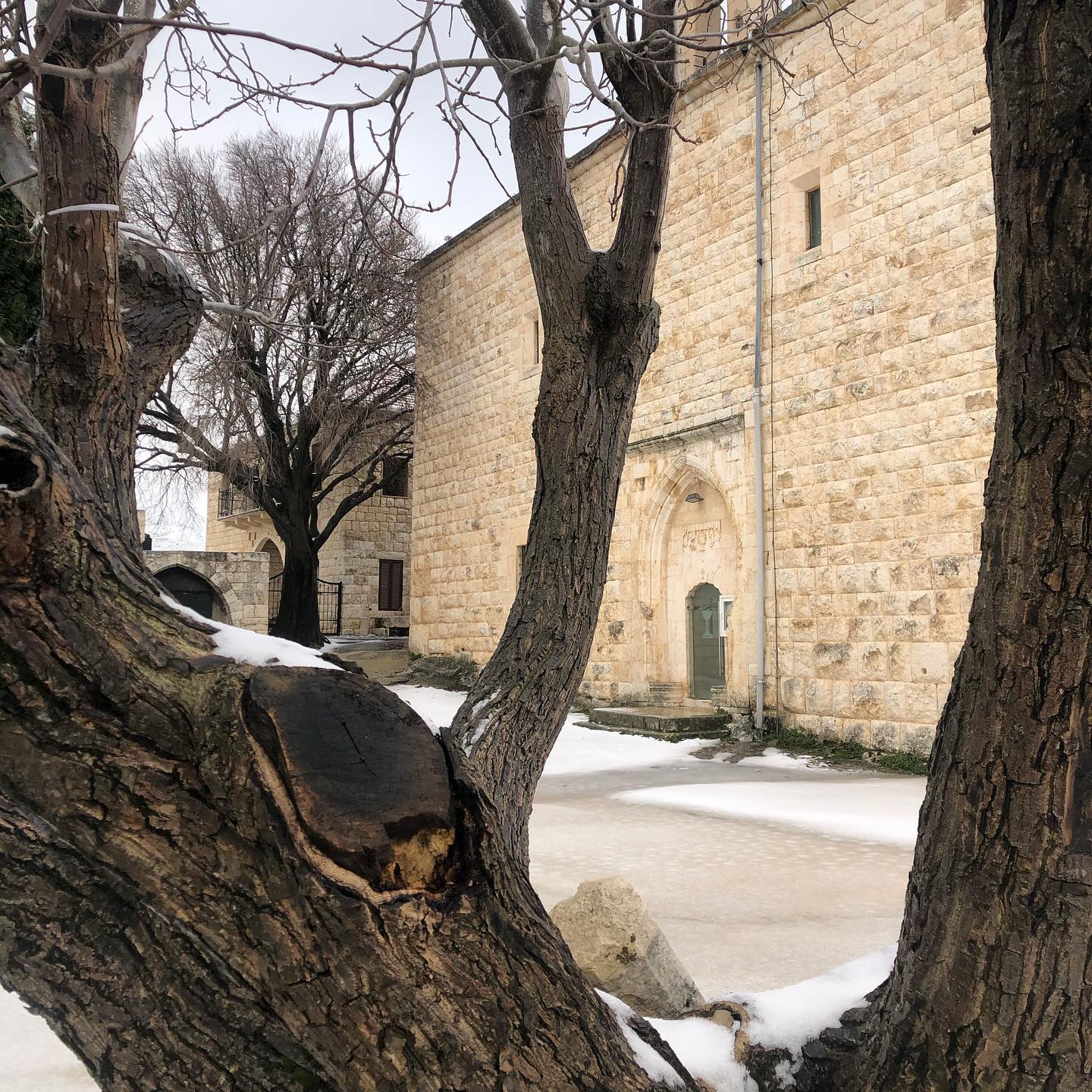
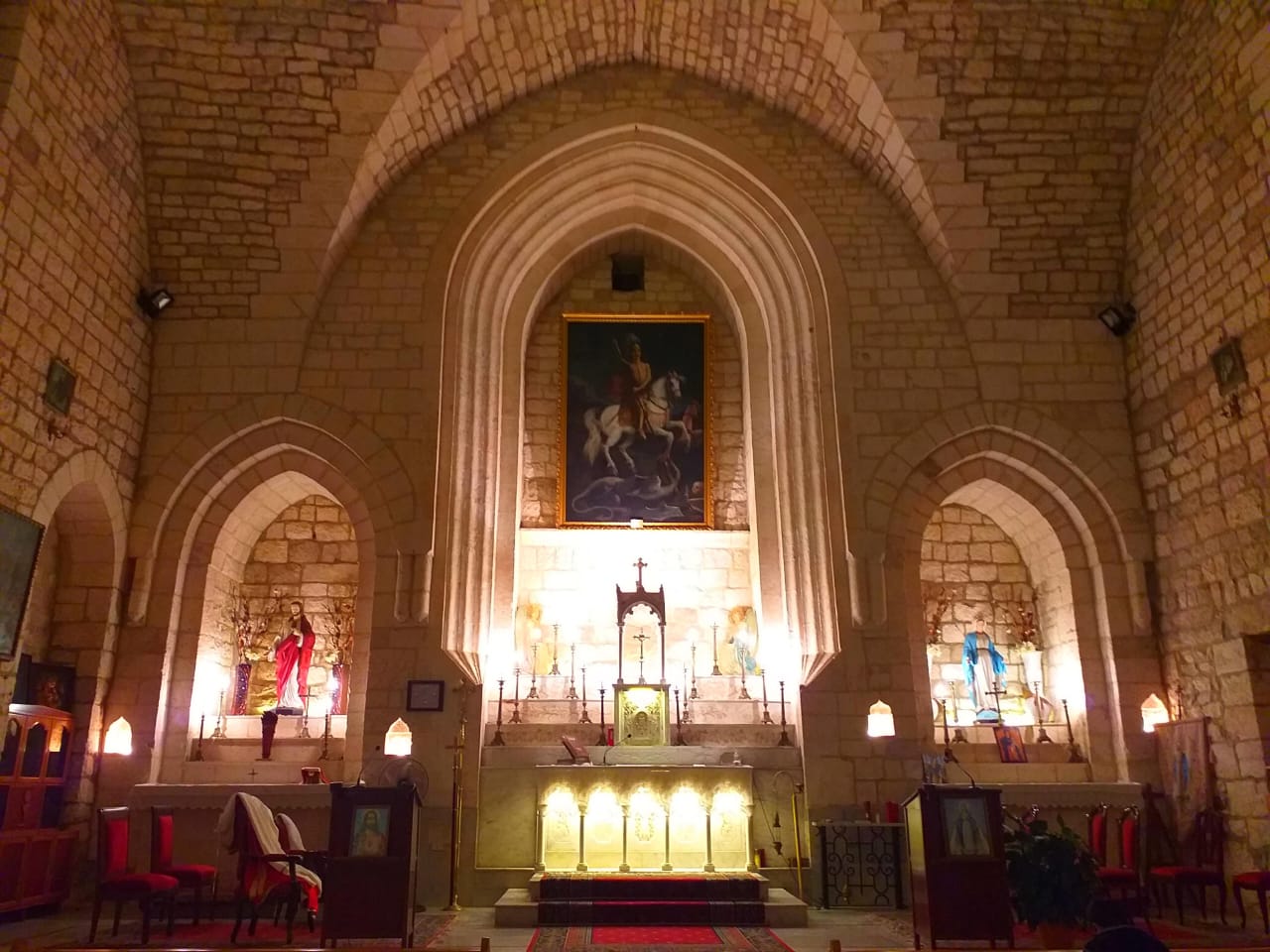
Known as the Maronite Church of Saint George. It is a church that rises around 850 ~ 900 meters above sea level, and is distinguished by its wonderful beauty and large size, as it holds the first place in terms of the largest monastery and church of Saint George in the Batroun district. It is ranked among the first places as the most beautiful altars and archaeological sites in Batroun and Lebanon. It is located on the hills of the village and has the oldest picture of Saint George, as it is more than 400 years old. It is the only church in Lebanon that has a picture of Saint George with his head facing left. Saint George is the patron saint of the parish, whom all the villagers respect and fear.
It's History
The church was founded as a "large chapel" more than 500 years ago, and then transformed into
what it is today thanks to the villagers and the parish priest, may God have mercy on him,
Boulos Badran. Before reading the Gospel on Sunday, every person present in the church would
head to the Lady of "Hidak al-Qataa", known today as the Lady of the Alaa (Fortress), carrying
rocks and
bringing them to build the Church of Saint George. The columns next to the Church are what
remains of the Mamluk Citadel, where the church now stands.
Since ancient times, there was a castle or, in other words, a palace of the kingdom at this
location. Only a few stones remain of it next to the church. If we walk around the church,
we see the entrance to a cave (the treasury of Saint Assia), and on the other side, we see the
sarcophagi where the children and servants of the kingdom were buried. We also see, on
another side, but blocked with stones, the entrance to a tunnel through which the queen
would escape from the castle to the "valley of Shumays" during attacks (according to history).
The queen who owned the castle here also owned the castle in Beshtoudar, which is called the
"Fortress Castle al-hisn".
Among the wonders of Saint George the Martyr
Protecting the village from the Turkish soldiers who wanted to occupy it, as he made the soldiers
lose their way between the villages and caused a strong wind storm, preventing them from knowing
that they were in Assia.
Protecting the village from deterrence and the Palestinians who wanted to occupy the village,
but they passed through the entire village and went to the neighboring village without knowing
that they were passing through Assia.
Protecting the village from several diseases and epidemics.